




Networking

SERVICES / Networking Gear

Network Infrastructure

NETWORKING GEAR

The backbone behind every connected device on site — switches, access points, and gateways from brands built for both simple installs and complex, multi-site networks.

AUSTRALIAN-OWNED - OFFICIAL NATIONAL DISTRIBUTOR

Networking gear

From a single Wi-Fi access point to a fully managed multi-site network, we distribute the switches, gateways, and wireless gear that keep everything else on site connected. Cloud-managed platforms like Ruijie Reyee and Ubiquiti’s UniFi let you deploy and manage a network without the complexity of enterprise-grade hardware, while PoE switching means your cameras, access points, and intercoms can all run off the same cable as their data connection. One network, built to actually handle everything you’re putting on it.

Brands

Ruijie, Ubiquiti, TP-Link & more

WHAT'S INCLUDED IN NETWORKING?

Network Equipments

Router

Directs traffic between your local network and the internet, and is usually the first point of connection for everything else on site. A good business-grade router handles multiple devices without slowing down, and often includes basic firewall protection to keep the network secure from the outside.

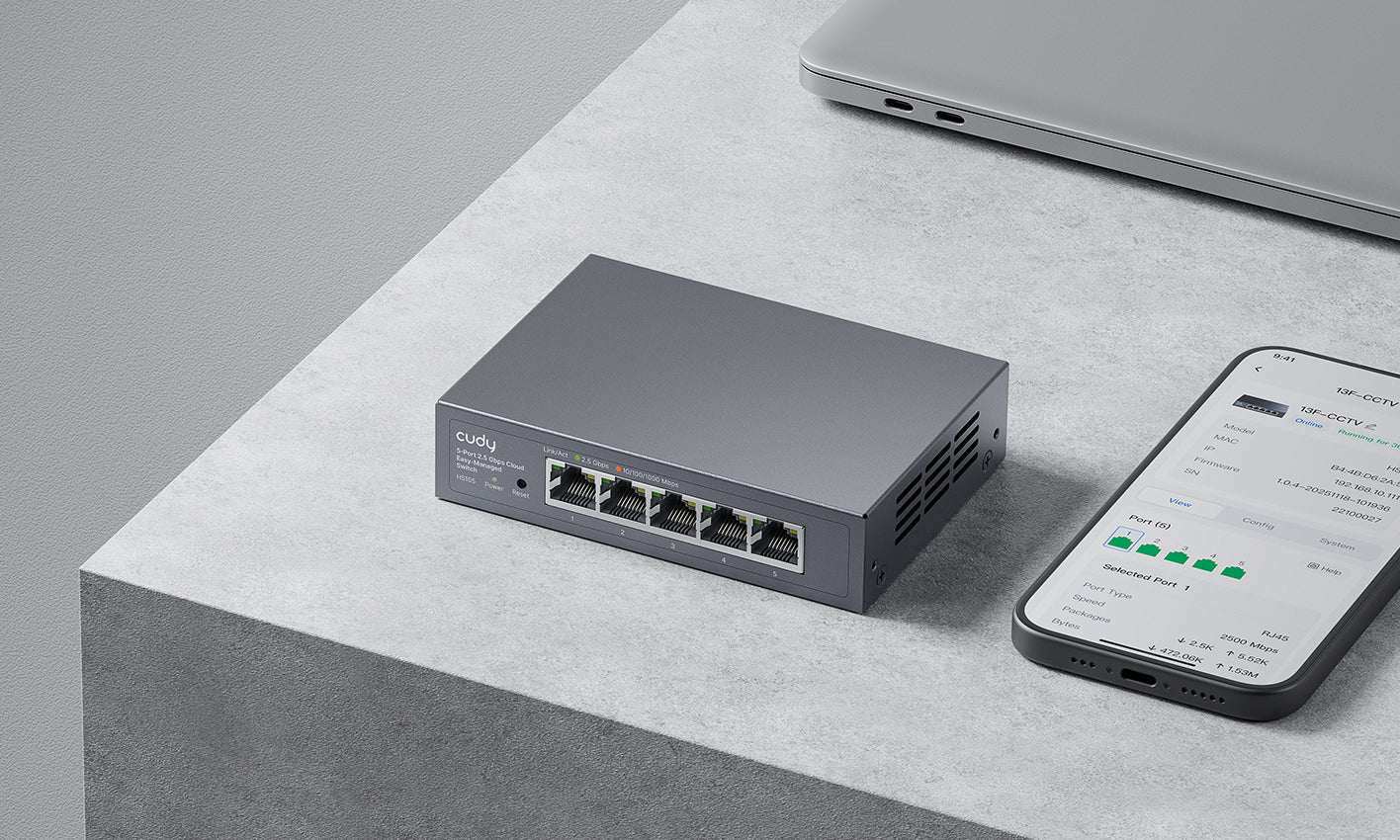
Managed Switch

Connects multiple devices such as cameras, computers and access points onto the same wired network, but unlike a basic switch, a managed switch lets you control and monitor exactly what’s happening on each port. VLANs, QoS prioritisation, and PoE power delivery are all handled here, making it the backbone of most commercial installs.

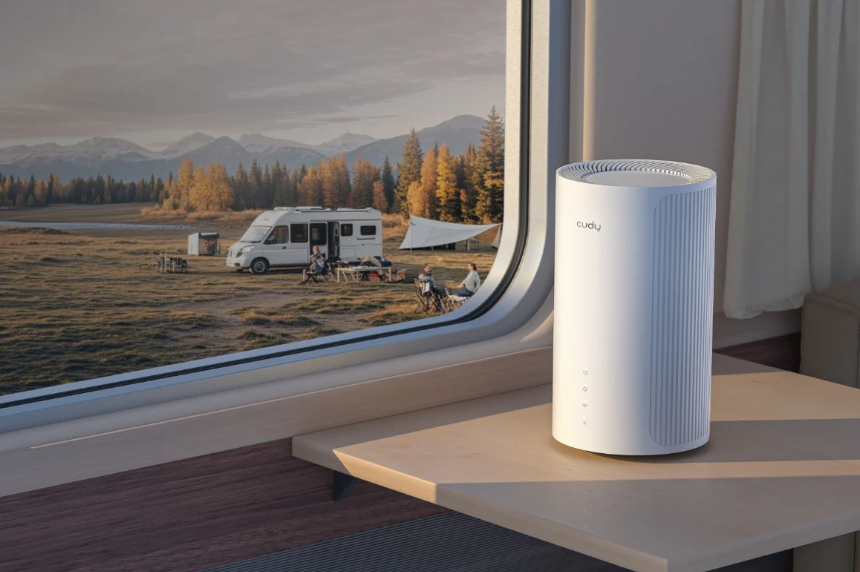
Gateway/Moderm

The device that actually connects your site to the internet service itself, converting the signal from your ISP (fibre, cable, or otherwise) into something your network can use. On many business installs, the gateway and router functions are combined into one unit, but they’re kept separate here since larger or more complex networks often run them independently for better control and redundancy.

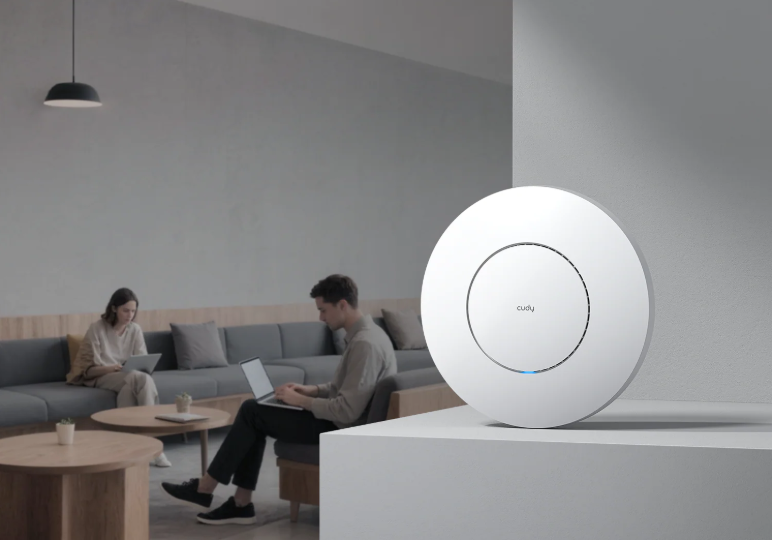
Access Point

Extends Wi-Fi coverage beyond what a single router can reach, letting more devices connect wirelessly across a larger area. Business-grade access points are typically PoE-powered and cloud-managed, so multiple APs across a site can be set up and monitored from one dashboard rather than configured individually.

Wireless Bridge

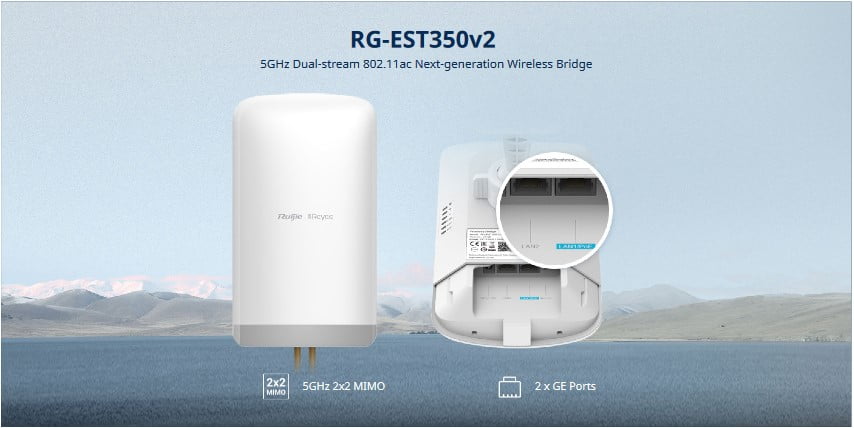
Connects two separate network points without running cable between them, using a point-to-point radio link instead. Useful for linking a second building, a warehouse, or an outdoor area to the main network where trenching or running cable isn’t practical — as long as there’s a clear line of sight between the two ends, a wireless bridge can carry a genuinely reliable connection across distances a standard Wi-Fi signal couldn’t reach.

WHAT'S INCLUDED IN NETWORKING?

Network Equipments

Router

Directs traffic between your local network and the internet, and is usually the first point of connection for everything else on site. A good business-grade router handles multiple devices without slowing down, and often includes basic firewall protection to keep the network secure from the outside.

Managed Switch

Connects multiple devices such as cameras, computers and access points onto the same wired network, but unlike a basic switch, a managed switch lets you control and monitor exactly what’s happening on each port. VLANs, QoS prioritisation, and PoE power delivery are all handled here, making it the backbone of most commercial installs.

Gateway/Moderm

The device that actually connects your site to the internet service itself, converting the signal from your ISP (fibre, cable, or otherwise) into something your network can use. On many business installs, the gateway and router functions are combined into one unit, but they’re kept separate here since larger or more complex networks often run them independently for better control and redundancy.

Access Point

Extends Wi-Fi coverage beyond what a single router can reach, letting more devices connect wirelessly across a larger area. Business-grade access points are typically PoE-powered and cloud-managed, so multiple APs across a site can be set up and monitored from one dashboard rather than configured individually.

Wireless Bridge

Connects two separate network points without running cable between them, using a point-to-point radio link instead. Useful for linking a second building, a warehouse, or an outdoor area to the main network where trenching or running cable isn’t practical — as long as there’s a clear line of sight between the two ends, a wireless bridge can carry a genuinely reliable connection across distances a standard Wi-Fi signal couldn’t reach.